一片湖:藏语里,湖叫「措」
纳木措、色林措、羊卓雍措——藏语里,湖叫「措」。品牌名里那个「措」,就是湖。宝,是珍贵;措,是湖;卤阳,是那片水。
A Lake: In Tibetan, a Lake Is "Cuo"
Nam Co, Siling Co, Yamdrok Yumtso — in Tibetan, a lake is "cuo". The "cuo" in our name is lake. Bao means precious; Cuo is lake; Luyang is that water.

一、路上记下的一个字
2026 年春天,创始人一个人骑摩托去了新疆和西藏,沿途经过赛里木湖、羊卓雍措、纳木措等高原湖泊。
路上他一直在记一个字:措。纳木措、色林措、羊卓雍措、班公措——藏语里,湖就叫「措」。同一个字,装下了高原上几乎所有的大湖。
他老家那片水叫卤阳湖,在汉语里它是「湖」;如果它在高原,它大概也会被叫做「措」。
二、三个字,是这样合起来的
所以这个牌子的名字,其实不是「起」出来的。是路上、是那片水、是另一种语言一起把它拼好的:
宝,珍贵。措,湖。卤阳,那片水。
合起来是「宝措卤阳」——一片被当作珍宝的、叫卤阳的湖。
1. A word noted on the road
In the spring of 2026, the founder rode a motorcycle alone through Xinjiang and Tibet, passing high-plateau lakes including Sailimu Lake, Yamdrok Yumtso and Nam Co.
Along the way he kept noting one word: cuo. Nam Co, Siling Co, Yamdrok Yumtso, Bangong Co — in Tibetan, a lake is "cuo". One syllable holds nearly every great lake on the plateau.
The water near his hometown is called Luyang Lake; in Chinese it is a "lake". Had it stood on the plateau, it would probably have been called a "cuo" too.
2. How the three parts came together
So the brand name was not really "chosen". The road, that water, and another language assembled it between them:
Bao, precious. Cuo, lake. Luyang, that water.
Together: Baocuo Luyang — a lake called Luyang, held as something precious.
三、皮肤也需要一片水
做了护肤品之后,创始人才把这两件事想通:皮肤需要的不是往脸上泼水,而是让墙自己留住水。
这正是护肤城墙理论(SBT)的说法:角质形成细胞是砖,细胞间脂质是灰浆;灰浆干了,水就留不住。所以修护的顺序是先补漏,再谈功效——先把墙补好,水才留得住。
我们说「修护」,不说「修复」。修是修整,护是守住。一个是一次动作,一个是长期状态。这也是那片水教给我们的:水不是倒进去的,是留住的。
四、事实与边界
· 藏语中「措」(藏文:མཚོ,拉丁转写 mtsho)意为湖、海子;纳木措、色林措、羊卓雍措等高原湖名中的「措」即此义。
· 本文所述骑行经历为创始人个人经历,具体年份与路线以创始人实测记录为准;路线示意图为示意,非精确地图。
· 本页不涉及任何功效宣称;护肤相关表述仅为品牌理念说明,不构成医疗建议,产品合规信息以官方备案与公示为准。
3. Skin needs a lake too
Only after making skincare did the founder connect the two: skin does not need water poured onto it; it needs a wall that can hold water itself.
This is what the Skin Barrier Theory (SBT) says: corneocytes are the bricks, intercellular lipids are the mortar; when the mortar dries, water escapes. Hence the sequence — repair the leak first, then talk about actives. Fix the wall, and the water stays.
We say "repair and protect", not "cure". Repairing is an act; protecting is a state. That too came from the lake: water is not poured in, it is held.
4. Facts and boundaries
· In Tibetan, "cuo" (མཚོ, transliterated mtsho) means lake; it appears in plateau lake names such as Nam Co, Siling Co and Yamdrok Yumtso.
· The ride described is the founder's personal experience; the year and route follow the founder's actual records; the route image is a sketch, not an accurate map.
· This page makes no efficacy claims; skincare statements describe brand philosophy only and are not medical advice. Product compliance information follows official filings and public notices.
骑一辆 ADV,从上海去看那些「措」
2026 年春天,创始人一个人,骑一辆铃木 ADV 摩托从上海出发:过南京汽渡、宿开封古城、渑池服务区搭帐篷,再到卤阳湖边望一望那座七层宝塔;然后一路向西——六盘山、银川、腾格里、祁连山与山丹军马场、哈密大海道、喀什古城、赛里木湖,直到拉萨、羊卓雍措、纳木错、色林错。下面是这十六站的示意动画。
In the spring of 2026, the founder rode a Suzuki ADV motorcycle alone from Shanghai: the Nanjing ferry, a night in old Kaifeng, a tent at the Mianchi service area, then the pagoda across Luyang Lake — and on westward: Liupan Mountain, Yinchuan, the Tengger Desert, the Qilian Mountains and the Shandan Horse Ranch, the Dahaidao yardangs, old Kashgar, Sayram Lake, and on to Lhasa, Yamdrok Yumtso, Nam Co and Siling Co. Sixteen stops, sketched below as small animations.
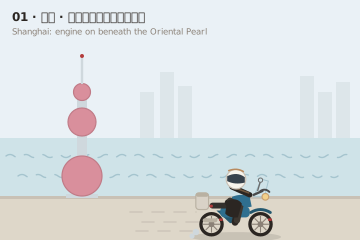
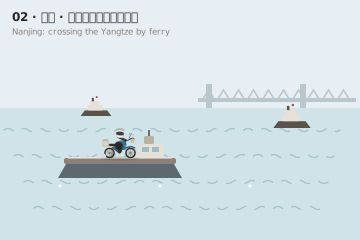
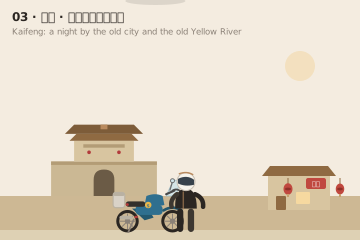
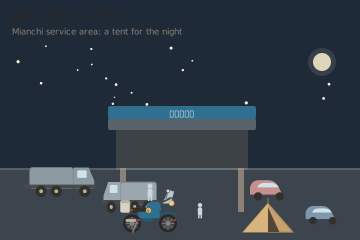
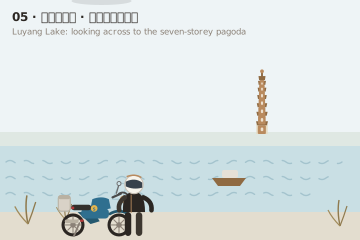
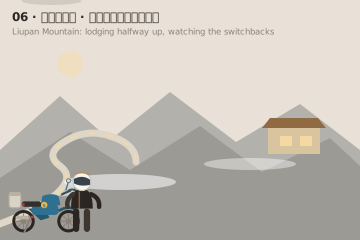
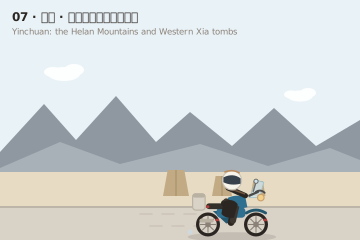
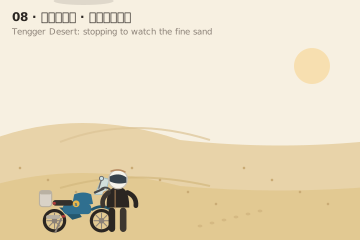
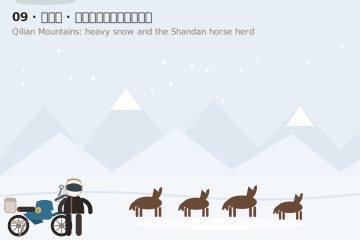
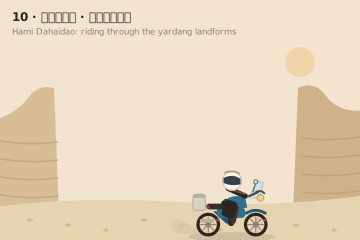
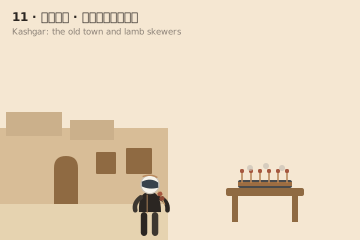
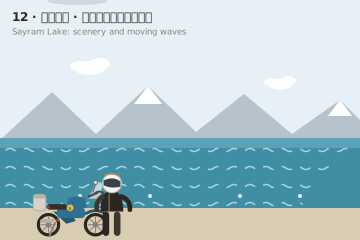
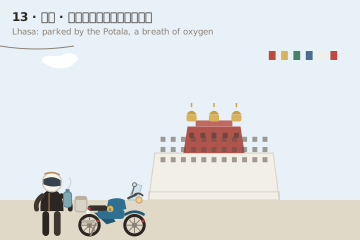
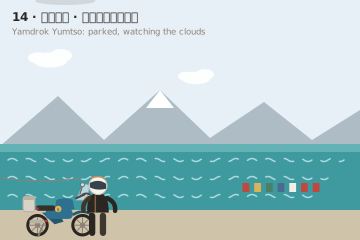
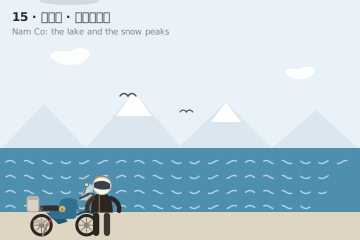
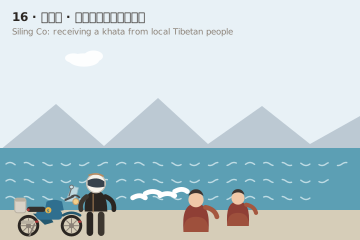
以上画面均为示意动画,非写实记录,也非精确地图;路线与站点以创始人实测记录为准。骑行属于有风险的个人行为,本文不倡导、不鼓励任何人模仿。
延伸阅读 Related
- 一本书的名字:《卤阳湖》与宝措卤阳® 的由来A book: the origin of the name
- 一个名字:被抢注之后,我们学到了什么A name: what we learned after it was taken
- 护肤城墙理论 SBT(Skin barrier theory)The Skin Barrier Theory
- 六题肤质自测Six-question skin type self-test